
Munich Solar Technology
Hybrid Inverter Energy Storage Systems for Telecom Towers: The IP65 Revolution
Why Telecom Towers Need Bulletproof Power Solutions
A lightning storm fries your smartphone tower's conventional power system. Meanwhile, three miles away, an IP65-rated hybrid inverter energy storage system hums along like a zen master during monsoon season. Telecom infrastructure demands reliability that'd make Swiss watches blush - enter the marriage of hybrid inverters and military-grade protection.
The Naked Truth About Tower Power Challenges
- 42% of tower outages occur during extreme weather (monsoons meet melted components)
- Energy costs chew through 35% of telecom OPEX budgets
- Conventional systems fail faster than a 5G conspiracy theory in rural areas
IP65: Where Hybrid Inverters Get Their Superpowers
An IP65 rating isn't just alphabet soup - it's the difference between "system operational" and "technician swimming to repair flooded equipment". This ingress protection standard means:
- Dust-tight construction (Sahara Desert? Bring it on)
- Water jet resistance (monsoon-approved performance)
- -40°C to 85°C operational range (Arctic to Death Valley ready)
Case Study: Mumbai's Monsoon Miracle
Vodafone Idea Limited deployed 127 hybrid inverter systems across coastal Maharashtra. Results?
- 98.7% uptime during 2024 cyclone season
- 37% reduction in diesel generator runtime
- Maintenance teams finally stopped buying amphibious vehicles
The Secret Sauce: How Hybrid Architecture Works
These systems aren't your grandma's battery backups. Modern telecom energy storage systems combine:
- Bi-directional PCS (Power Conversion System) brains
- Lithium-ion muscle with AI-driven BMS (Battery Management System)
- Grid-smoothing capabilities smoother than a billionaire's tax returns
When Solar Meets Storage: A Love Story
Take Reliance Jio's Rajasthan deployment - 300W solar panels paired with IP65 hybrid inverters achieve:
- 72% solar self-consumption rate
- 4-hour backup without diesel
- Batteries that outlasted three CEO tenures
Future-Proofing Towers: What's Next?
The industry's racing faster than 6G rollout promises. Emerging trends include:
- AI-driven predictive maintenance (systems that diagnose issues before humans notice)
- Second-life EV battery integration (giving retired car batteries a telecom afterlife)
- Modular designs allowing capacity upgrades without tower downtime
The ROI Calculator Doesn't Lie
Airtel's Nigeria deployment proved hybrid energy systems aren't just eco-friendly - they're wallet-friendly:
- 3.2-year payback period
- $18k annual savings per tower
- Carbon credits sweet enough to give dentists nightmares
Installation Gotchas: Learn From Our Mistakes
We've all seen the horror stories - $200k systems installed upside down in flood zones. Pro tips:
- Mount inverters higher than local flood records (Noah's Ark positioning optional)
- Size battery banks for worst-case scenarios (think "zombie apocalypse" load)
- Implement remote monitoring (because flying technicians to towers gets old fast)
Rain? Dust? Not today. The IP65 hybrid inverter revolution turns telecom towers into energy ninjas - silent, deadly efficient, and ready for whatever Mother Nature (or clumsy technicians) throw their way.

- Pre: Pylontech ESS DC-Coupled Storage Powers Hospital Backup Systems Across China
- Next: Panasonic's Flow Battery Breakthrough in Japan's Data Center Revolution
Related Contents
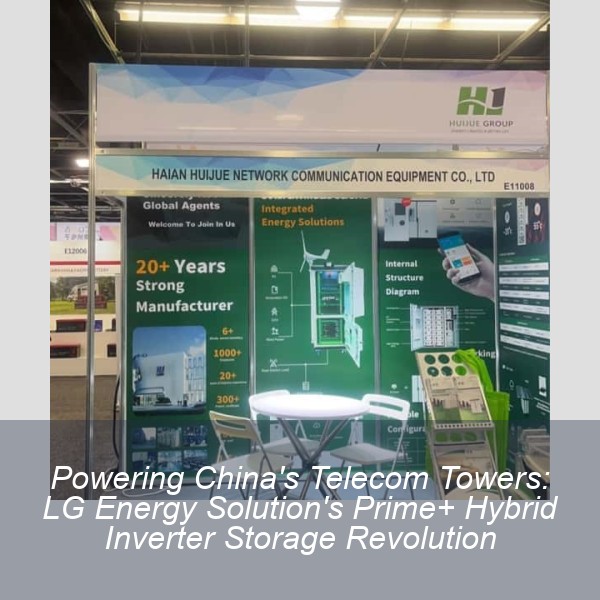
Powering China's Telecom Towers: LG Energy Solution's Prime+ Hybrid Inverter Storage Revolution
Imagine trying to stream your favorite drama during a typhoon while telecom towers battle power fluctuations. That's the daily reality for China's 2.1 million telecom towers - silent sentinels that consume enough electricity annually to power Singapore twice over. Enter LG Energy Solution's Prime+ Hybrid Inverter Storage system, the energy equivalent of giving these towers both a pacemaker and a vitamin shot.