
Munich Solar Technology
Sodium Energy Storage Costs: Breaking Down the Future of Affordable Power
Why Sodium Energy Storage Is Stealing the Spotlight
Let’s face it—lithium-ion batteries have been the Beyoncé of energy storage for years. But sodium energy storage costs are now dropping faster than a TikTok trend, making this tech a serious contender. The global energy storage market, valued at $33 billion, is buzzing about sodium’s potential to slash costs while using Earth’s 6th most abundant element. Want to know why utilities and startups are betting big on this? Let’s dive in.
The Cost Game-Changers: Where Sodium Shines
1. Material Costs: Sodium vs. Lithium Showdown
Here’s the scoop: sodium is literally dirt-cheap compared to lithium. While lithium prices swing between $13-$20/kg, sodium lingers around $0.30/kg. Why? Sodium sources range from seawater to table salt leftovers—it’s as abundant as sand on a beach. This cuts raw material costs by 80-90%, according to 2024 industry reports.
2. Manufacturing: No Reinventing the Wheel
Sodium-ion batteries use similar production lines to lithium-ion. Translation? Factories can pivot faster than a Tesla avoiding a pothole. CATL already rolled out sodium batteries in 2023 with 160 Wh/kg density—not bad for version 1.0!
- Existing lithium facilities require <30% retrofitting
- Eliminates need for cobalt/nickel (bye-bye, supply chain headaches)
- Works in -20°C to 60°C ranges (take THAT, Canadian winters!)
3. Real-World Wins: Case Studies That Count
China’s State Grid deployed a 100 MWh sodium storage system in 2024, cutting peak energy costs by 40% versus lithium alternatives. Meanwhile, MIT researchers cracked the code on hard carbon anodes using—wait for it—coal waste. Their breakthrough boosted cycle life to 5,000+ charges while keeping costs under $50/kWh.
Trends Making Investors Salty (In a Good Way)
The smart money’s chasing these 2025 developments:
- Saltwater redox flow batteries: 20-year lifespan projects hitting $75/kWh
- AI-driven battery management: Squeezing 15% more efficiency from existing systems
- Recyclability: 95% material recovery rates vs lithium’s 50% industry average
But Wait—There’s a Catch
Before you start stockpiling sea salt, consider:
- Energy density still trails lithium by 30% (better for grid storage than your iPhone)
- Early adoption risks—remember Beta vs VHS?
- Regulatory hurdles in aviation/EV sectors
As Bill Gates recently quipped: “Sodium storage is like a teenager—full of potential, but needs time to mature.” Most analysts predict price parity with lithium by 2028, with sodium dominating stationary storage markets first.
The Road Ahead: Where Costs Could Plummet Next
Keep your eyes on:
- Manganese-based cathodes (20% cost reduction in lab tests)
- 3D-printed battery architectures
- Ocean thermal integration for coastal plants
Fun fact: The same salt preserving your pickles might soon power your city. Now that’s what we call a seasoned solution!
- Pre: Energy Storage 30W: The Unsung Hero of Modern Power Solutions
- Next: State Power Tirana Energy Storage: Powering Albania's Future
Related Contents
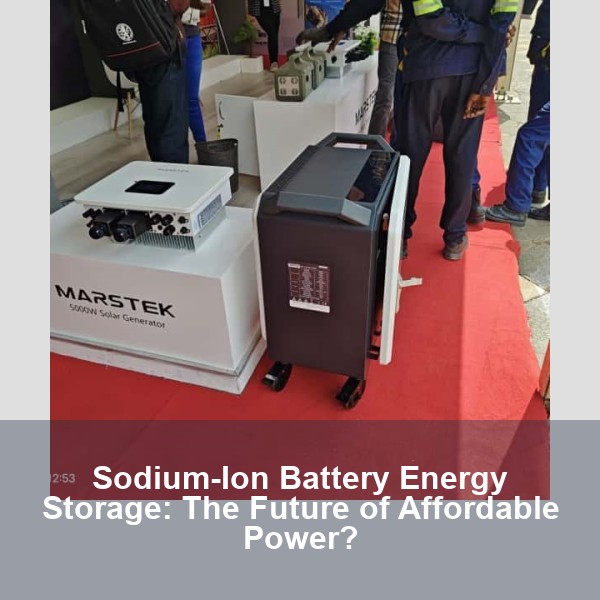
Sodium-Ion Battery Energy Storage: The Future of Affordable Power?
Let's face it – lithium-ion batteries have been the rockstars of energy storage for decades. But here's the plot twist: their less glamorous cousin, the sodium-ion battery, is now turning heads with its energy storage capacity potential. Imagine if your smartphone could run on something as abundant as table salt. Well, we're not quite there yet, but scientists are sprinting toward that reality.